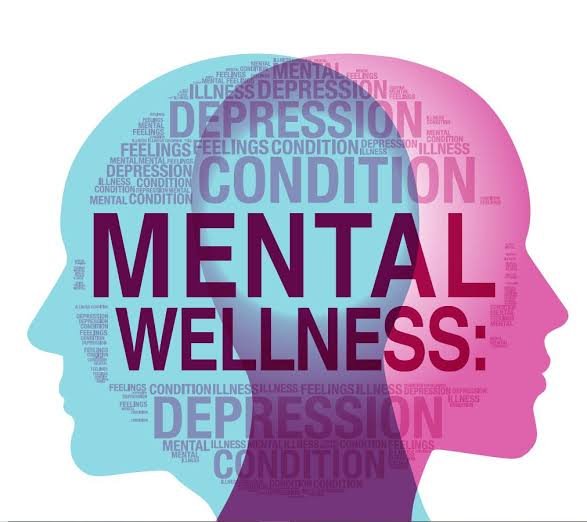
Mental health refers to a person’s overall psychological well-being. It includes the ability to manage one’s emotions, thoughts, and behaviors. Mental health issues, also known as mental disorders or psychiatric disorders, are conditions that affect a person’s mood, thinking, and behavior. They can range from mild to severe and can disrupt a person’s daily life, relationships, and overall functioning.
There are many different types of mental health issues, including anxiety disorders, mood disorders (such as depression and bipolar disorder), psychotic disorders (such as schizophrenia), personality disorders, and eating disorders, among others. These conditions can be caused by a variety of factors, including genetics, environmental influences, life experiences, and brain chemistry.
Mental health issues can be treated through a combination of therapies, such as cognitive-behavioral therapy (CBT), psychodynamic therapy, and medication. It is important to seek help from a mental health professional if you are experiencing persistent or severe symptoms of a mental health issue. Early treatment can improve the chances of a successful outcome and help prevent the condition from worsening.
It is also important to take care of your overall mental health by practicing self-care, such as getting enough sleep, eating a healthy diet, exercising regularly, and finding ways to manage stress. Seeking support from friends and family, and participating in activities that bring you joy and meaning can also help to improve your mental health.
Mental health is a crucial aspect of overall well-being and it is important to pay attention to and prioritize your mental health. If you or someone you know is experiencing mental health issues, don’t hesitate to seek help. There are resources available to support you and treatment can lead to significant improvement in quality of life.
 overall well-being
Leave a comment