
Eating a diet rich in fresh, whole foods is one of the simplest and most effective ways to improve your overall health and well-being. These foods are packed with essential nutrients, such as vitamins, minerals, and antioxidants, that support a healthy immune system, maintain healthy body functions, and prevent chronic diseases. In addition to their numerous health benefits, fresh, whole foods are also tasty, affordable, and easy to find. In this blog post, we will explore the many benefits of eating fresh, whole foods and provide tips on how to incorporate them into your diet.
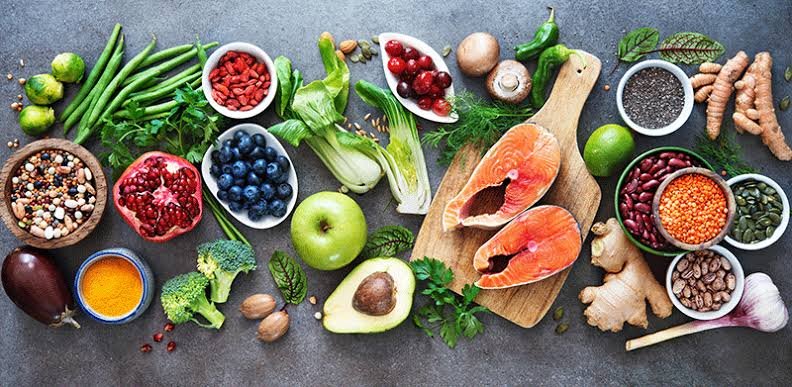

Eating fresh, whole foods has numerous benefits for your overall health and well-being. Here are just a few of the many reasons why you should make an effort to incorporate more fresh, whole foods into your diet:
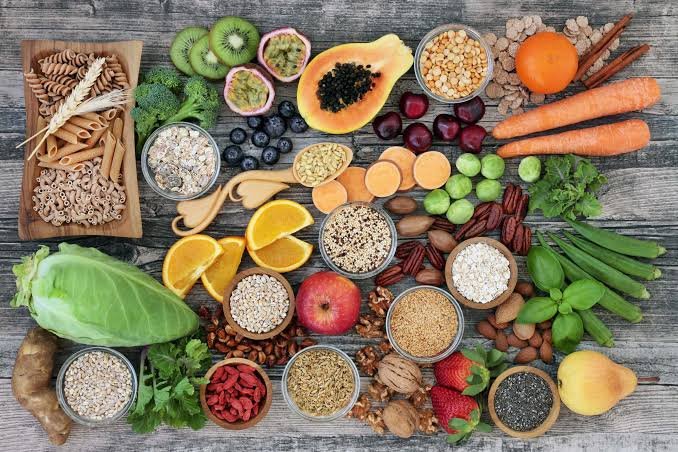
- They are nutrient-dense: Fresh, whole foods are packed with nutrients like vitamins, minerals, and antioxidants that are essential for optimal health. These nutrients help to support your immune system, maintain healthy body functions, and prevent chronic diseases.
- They are low in calories: Fresh, whole foods are generally lower in calories than processed foods, making them a great choice for weight management. They can help you feel fuller for longer, which can prevent overeating and weight gain.
- They are high in fiber: Fresh, whole foods are an excellent source of dietary fiber, which is important for maintaining a healthy digestive system. Fiber helps to keep you regular, promotes satiety, and can even help to lower cholesterol levels.
- They are free from additives and preservatives: Fresh, whole foods do not contain any additives or preservatives, which can have negative effects on your health. Processed foods often contain artificial ingredients that can disrupt your body’s natural processes and contribute to various health issues.
- They are rich in phytochemicals: Fresh, whole foods contain a variety of phytochemicals, which are plant-based compounds that have protective health benefits. These compounds help to reduce inflammation, protect against chronic diseases, and support overall health.
- They are versatile: Fresh, whole foods can be used in a variety of dishes, from salads and smoothies to soups and stews. This versatility allows you to easily incorporate them into your meals and enjoy a wide range of flavors and textures.
- They are affordable: Fresh, whole foods are often more affordable than processed foods, especially when purchased in season. Buying fresh, whole foods in bulk and freezing them can also help to save money.
- They are easy to find: Fresh, whole foods are widely available at supermarkets, farmers markets, and local produce stores. Many communities also have community gardens where you can grow your own fresh, whole foods.
- They taste better: Fresh, whole foods have a naturally delicious taste that cannot be matched by processed foods. When you eat fresh, whole foods, you are able to fully enjoy the flavors and textures of the ingredients, making for a more satisfying dining experience.
- They are good for the environment: Fresh, whole foods are often grown locally, which can reduce the carbon footprint of your food. In addition, the production of fresh, whole foods often has a lower environmental impact than the production of processed foods.
- They can improve your mood: Eating a diet rich in fresh, whole foods has been shown to improve mood and reduce the risk of depression. The nutrients found in fresh, whole foods are essential for maintaining good mental health and overall well-being.
Incorporating fresh, whole foods into your diet is an easy and delicious way to improve your health and well-being. Make an effort to choose fresh, whole foods over processed options whenever possible, and you’ll be on your way to a healthier lifestyle.
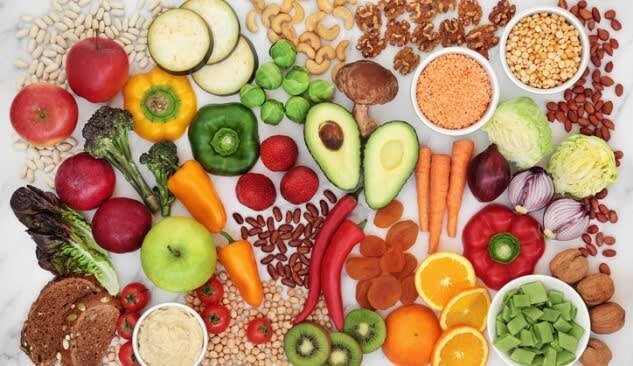
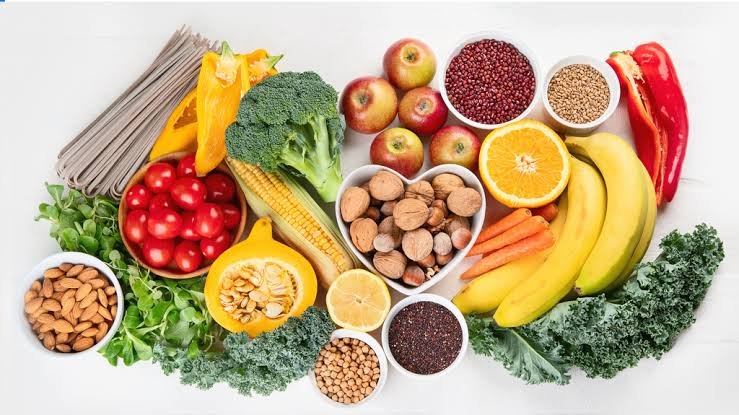

 overall well-being
Leave a comment